

Hydronic balancing is the hidden key to solving uneven heating problems and unlocking better energy efficiency in your home’s radiator or underfloor heating system. If you’ve battled cold rooms, overheated spaces, or rising utility bills, understanding and tuning your hydronic system will pay off—literally. Here’s how to get it right and avoid common mistakes.
Key Takeaways
- Proper hydronic balancing can cut heating energy use by up to 15% and resolve hot or cold spots in your home.
- Manual balancing is doable for DIYers but requires patience, a thermometer, and often trial and error.
- Skipping this vital step leads to waste and discomfort—so learning even basic balancing is well worth it.
- What Is Hydronic Balancing and Why Should You Care?
- How to Hydronically Balance Your Heating System: A Simple Guide
- Advanced Analysis and Common Hydronic Balancing Pitfalls
- Conclusion and Next Steps
- Frequently Asked Questions
What Is Hydronic Balancing and Why Should You Care?
Hydronic balancing means adjusting the flow of hot water through each radiator or heating loop so every room receives the right amount of heat. If a system isn’t balanced, water takes the path of least resistance—some radiators get too much hot water and others too little. The result: hot spots, cold rooms, and higher bills.
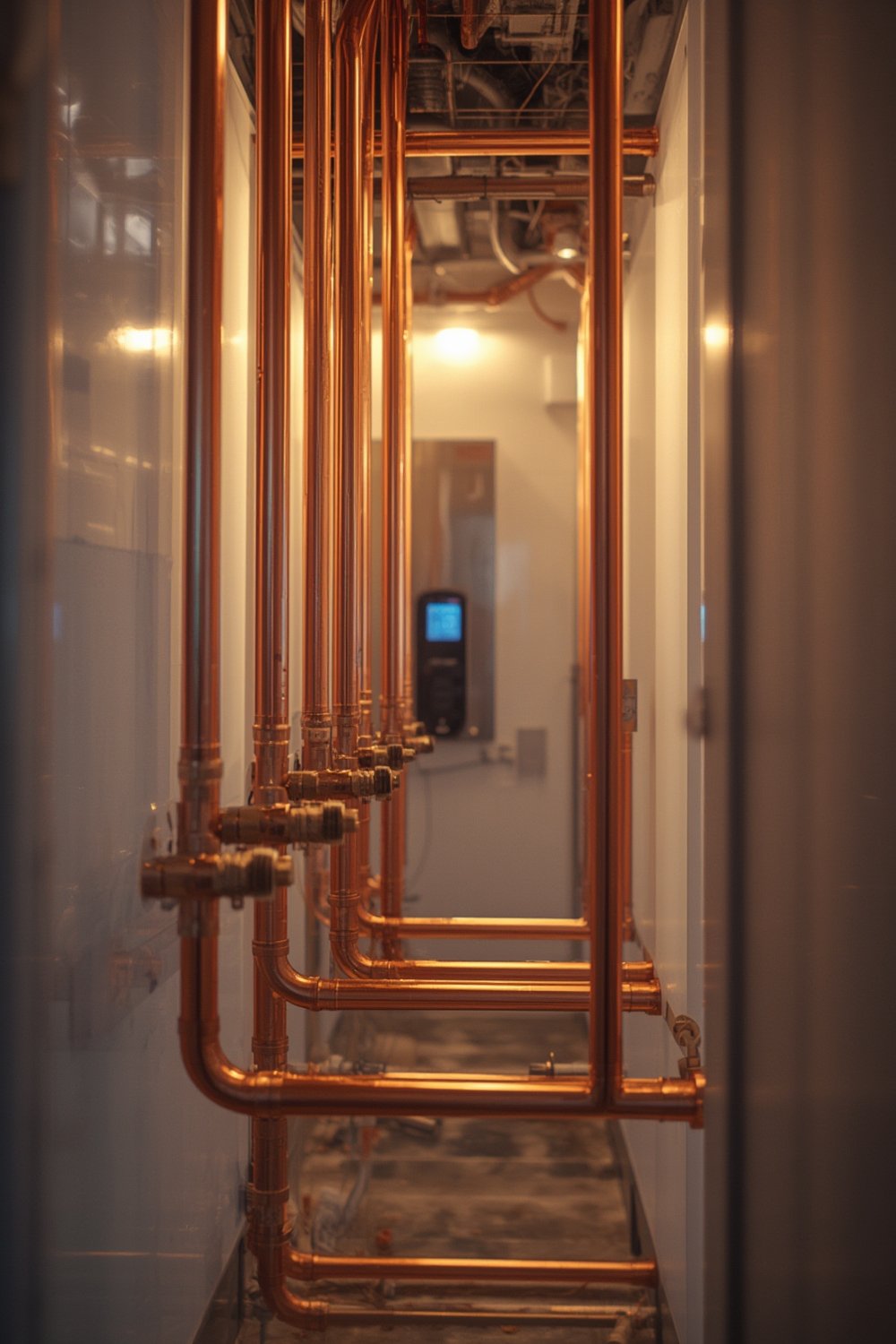
Balancing is critical because it improves comfort and system lifespan. In a documented case, replacing manual valves with PICVs and smart valves achieved a 15% reduction in heating use—demonstrating the efficiency impact of getting flow right (source).
While high-tech solutions like PICVs and smart valves exist, most homes can start with manual adjustment. The basic tools are affordable, and with some care, most homeowners can make a meaningful difference—no special apps or electronics required.
If you’re interested in other ways to optimize your home’s heating energy, check out this detailed post about heat pump water heaters and how they use less electricity.
How to Hydronically Balance Your Heating System: A Simple Guide
You don’t need to be a pro to make your radiators deliver even warmth—just use this clear, step-by-step method for manual hydronic balancing at home:
- List your radiators. Note every radiator and its location. You’ll work from the radiator closest to your boiler (usually it heats up first) outwards.
- Bleed every radiator. Air trapped inside interrupts water flow. Bleed every radiator until water comes out steadily.
- Crank up your thermostat. Set it higher than normal. Run the heating system until every radiator is fully hot.
- Identify the flow and lockshield valves. The lockshield valve is usually covered with a plastic cap on one end, often opposite the thermostat. Remove the cap so you can adjust it with pliers.
- Close all lockshield valves. Turn clockwise to close, then reopen each by about half a turn. The radiator closest to the boiler generally gets the least “throttle”; the farthest gets opened more.
- Adjust one radiator at a time. Starting at the closest, open the lockshield slightly and measure the return pipe temperature (the cooler side of the radiator). Ideally, you want a temperature drop of about 11–12°C (20–22°F) from the hot inlet side to the return side.
- Move sequentially through all radiators. Each time, let the system stabilize after adjusting a radiator (wait 10–15 minutes per change).
- Fine-tune for comfort. Once every radiator is at its target drop, check all rooms. Make small adjustments if you notice stubborn hot or cold spots.
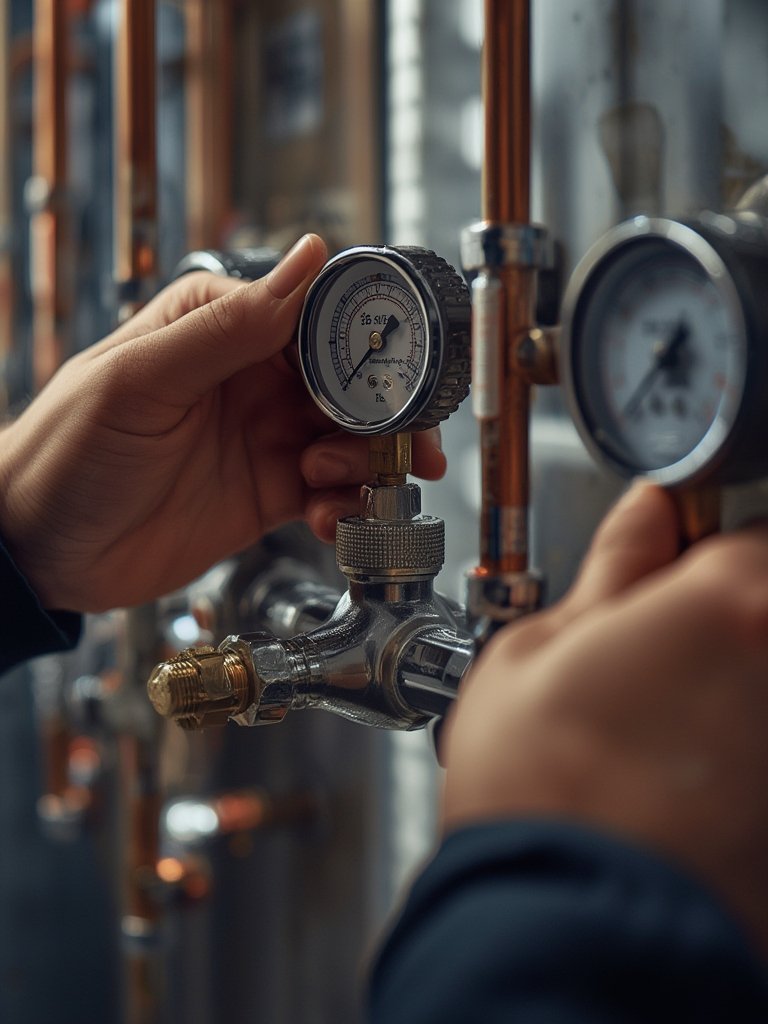
No fancy tools are required—just patience and a thermometer. If some radiators won’t cooperate, double-check for blockages or stuck valves. For more on improving heating efficiency overall, see this guide on efficient water heater options.
Not everyone gets perfect results on the first try. If you get inconsistent readings, let the system run for longer stabilization, and don’t be afraid to retrace your steps.
For more ideas to maximize system reliability, see our post on simple water heater maintenance tasks that also apply in spirit to central heating systems.
Advanced Analysis and Common Hydronic Balancing Pitfalls
Even with a careful process, several realistic problems can throw off your results. Recognizing these ensures you’re not frustrated by surprises or wasted effort.
| Common Pitfall | Consequence | Solution/Troubleshooting |
|---|---|---|
| Bleeding neglected | Air pockets block flow, making balancing impossible | Always bleed every radiator before starting the process |
| Thermostatic valves left closed | Inaccurate readings and “phantom cold spots” | Fully open thermostat valves during balancing |
| Skipping system stabilization time | Temperature readings jump, leading to confusion | Wait 10–15 minutes after each adjustment before measuring |
| Poorly maintained or stuck valves | Some radiators won’t heat no matter what | Service or replace sticky valves and flush system as needed |
| No permanent record of settings | Hard to maintain balance after system maintenance or accidents | Write down each lockshield position or use visible markings |
| Trying to balance with incorrectly sized radiators | Some rooms will always be cool or hot | Consider professional advice if comfort gaps persist after balancing |
| High-tech valve sensors malfunction or lose calibration | System dramatically loses balance | Manual rebalancing is still possible in most homes if automation fails |
Unlike some modern upgrades, manual hydronic balancing is mostly a time commitment. However, advanced valves such as PICVs cost three to four times more than manual valves. For some, the investment delivers automation and better long-term stability, but higher upfront expenses must be considered (source).
Residential regulations and standards mostly apply to large multi-family or commercial installations in the EU and UK, with residential DIY guidance rarely codified in building codes (source). Still, most best practices for comfort and energy savings trickle down from commercial approaches.
If you’re upgrading overall system efficiency or retrofitting, consider lessons from high-efficiency hot water solutions—for example, how different appliance modes affect performance and tips for winter operation.

Conclusion and Next Steps
Manual hydronic balancing takes patience, but it delivers a practical fix for uneven heating and unnecessary energy waste. Whether you use classic lockshield adjustments or upgrade to modern control valves, every improvement pays off in comfort and smaller bills. Most homeowners can attempt hydronic balancing with basic tools—there’s little risk, and the upside is real.
Don’t accept persistent cold spots or heating costs as “just how it is.” Start with the basics, track your results, and consult a professional if you hit a wall. Investing a little time to master hydronic balancing makes every winter more comfortable, efficient, and affordable.
Ready for even more energy savings? Explore how heat pump water heaters can reduce electricity bills and boost comfort year-round.
Frequently Asked Questions
Will hydronic balancing fix all my heating problems?
Balancing addresses flow issues and uneven heating, but it won’t fix broken thermostats, faulty pumps, or undersized radiators. Try balancing first, and if some rooms still won’t get warm, consider professional diagnosis or upgrading your system.
How often should I rebalance my system?
Once every year or after major system work (like adding or replacing radiators) is a good rule. If you notice rooms cooling off unevenly again, check for air in radiators or accidental valve changes and rebalance as needed.
Can I balance radiators without special tools?
Yes, you just need pliers for lockshield valves and an accurate thermometer—preferably infra-red for quick pipe readings. No need for digital gadgets unless you want extra precision.
Is it worth investing in automatic balancing valves?
Automatic or smart valves keep your system balanced even as usage changes, but they’re 3–4 times more expensive up front. They save time and effort, but basic balancing is still possible manually for most homes.
Are there specific rules or codes for hydronic balancing in homes?
No strict residential standards exist in the UK or EU for DIY hydronic balancing, though energy efficiency rules cover larger buildings. Following best practices from commercial standards is always a smart approach.